
Marketing Automation
Well-designed marketing automation relies on clear structure, dependable execution, and data-informed decision -making. By grounding automation in real customer behavior, systems become easier to operate and more effective over time. We help you plan and evolve your MarTech stack to support the long-term performance of your marketing operations.
Well-designed marketing automation relies on clear structure, dependable execution, and data-informed decision -making.
Data-driven marketing
Effective marketing automation starts with understanding your audience. By using behavioral data, real-time triggers, and intelligent segmentation, you can create automated journeys that respond to customer intent and remain relevant over time.
Trigger-based
Automated workflows are triggered by specific customer actions such as sign-ups, downloads, purchases, or inactivity. This ensures communication happens at the right moment, without relying on manual processes.
Behavior-driven
Behavioral data informs how journeys evolve, adjusting messaging based on engagement, interests, and interaction history rather than fixed rules or generic demographic data, allowing journeys to evolve based on real engagement.
Persona-led
Personas are built using real customer data, combining attributes and behavior to guide segmentation, personalization, and automation logic. They help structure automation by grouping audiences with similar needs, goals, and behaviors.
Automation at the Core
Marketing automation works best when it sits at the heart of the marketing stack, not as an isolated tool. When data, channels, and systems are connected, automation becomes a way to support consistent execution rather than a collection of disconnected workflows.
Core capabilities such as registration flows, preference management, lead scoring, and automated journeys help turn automation into a stable system rather than a set of one-off solutions. Over time, this structure supports both performance and maintainability.
By investing into automation and understanding data, it is easier to scale as complexity increases, and new prospects come into play.
Automated journeys
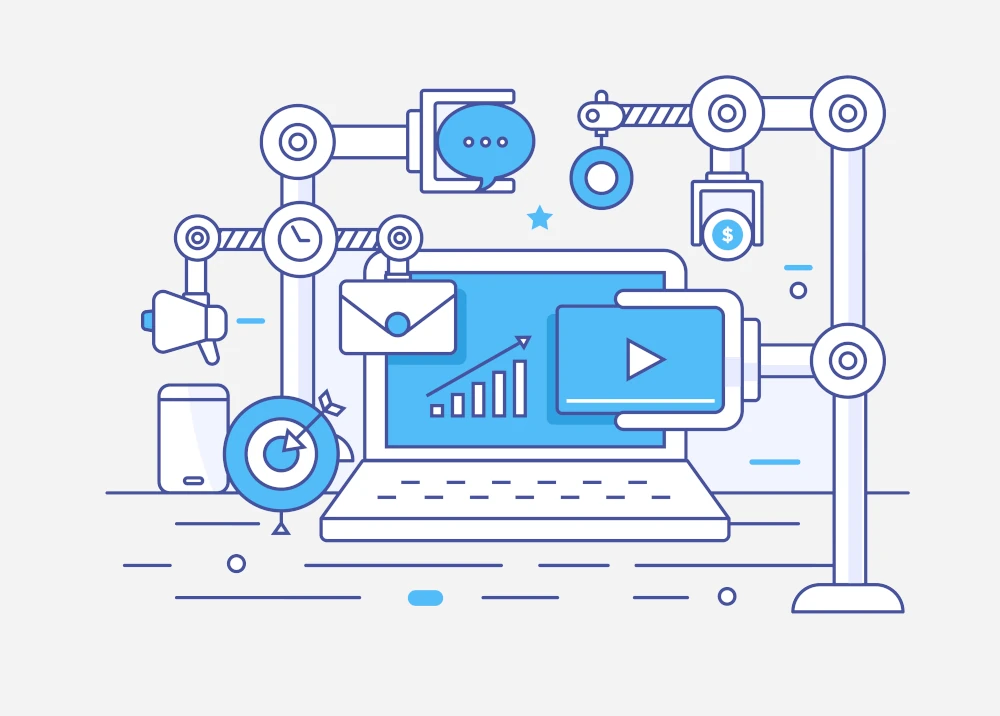
Automated journeys connect individual interactions into coherent customer experiences. Examples include onboarding flows, lead nurturing sequences, post-purchase follow-ups, and lifecycle-based communications that adapt as engagement changes.
By structuring journeys around behavior and intent, messaging remains relevant over time. This helps reduce manual effort, improve consistency across channels, and support more predictable outcomes.
Re-engagement campaigns
Re-engagement campaigns focus on restoring relevance when interest fades. These can include inactivity-based emails, content refresh campaigns, product reminders, or lifecycle check-ins triggered by changes in behavior.
By identifying disengagement early and responding with targeted messaging, re-engagement automation helps retain existing audiences, extend customer value, and reduce reliance on constant acquisition.
Process automation
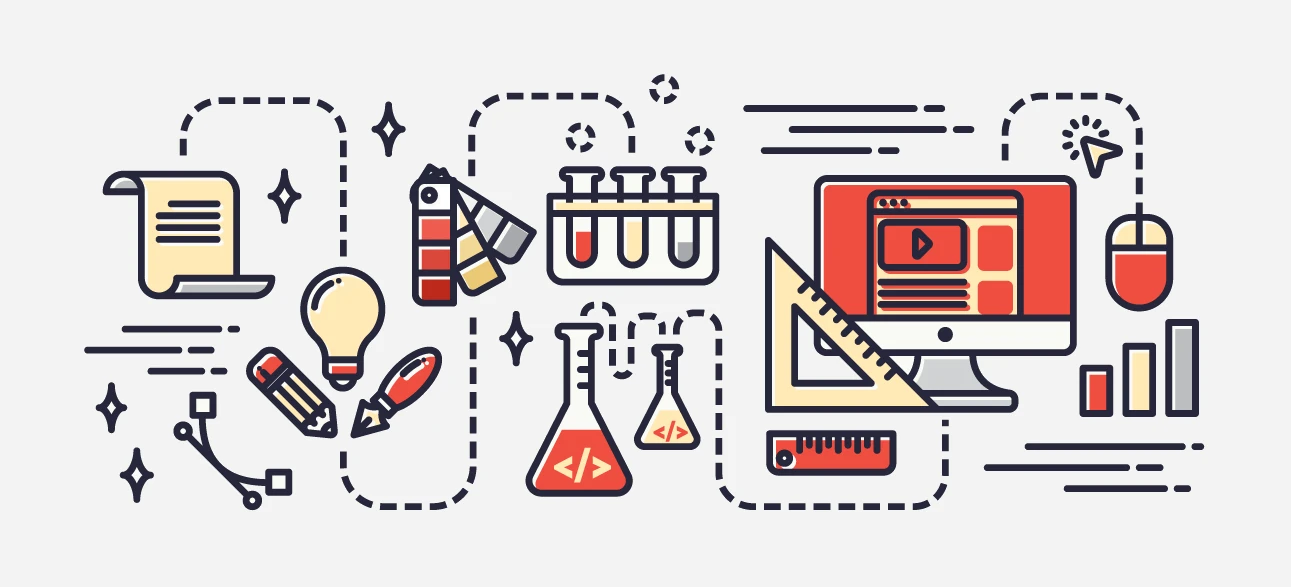
Not every automation challenge is solved by adding more technology. Often, the biggest gains come from reviewing existing processes, identifying gaps, and removing friction before automation is applied.
This includes clarifying handovers, simplifying workflows, and fixing broken or manual steps that slow teams down. The result is automation that supports real processes instead of reinforcing inefficient ones.
Project management & strategic support
Marketing automation initiatives often require coordination across teams, tools, and timelines. Structured project management helps keep implementations focused, aligned, and realistic.
Strategic support can range from planning automation roadmaps to prioritizing use cases and aligning automation efforts with broader marketing goals. This flexible approach allows support to adapt as needs evolve.

Ready at your service
Practical marketing operations support, shaped around actual needs. We have a broad experience in the field and offer tailored support. Services include initial discovery phase, strategy planning, implementation & automation, or even day-to-day operations. Helping teams automate marketing is our mission.
- Includes:
- Automated customer journeys
- Data-driven campaign execution
- Customer re-engagement programs
- Consent and preference management
- Customer data modeling and segmentation
- Marketing automation planning
- MarTech stack review
- Project and delivery management
- Process documentation and optimization
Not there to automate?
Explore ways to streamline marketing operations without full automation. Focus on processes that reduce friction and free up time for strategic work. Establish clear roles, responsibilities, and reporting. Even small improvements in coordination can have a measurable impact.
We’re here to help
Tell us about your challenges and goals.
We’ll help you find a path forward.